
We can not simply pray away mental illness

Prayer is good, mediation helps but we can not pray away mental illnesses. While it may be comforting to ‘take our troubles to the Lord in prayer’, it is also important that we seek medical help for health conditions.
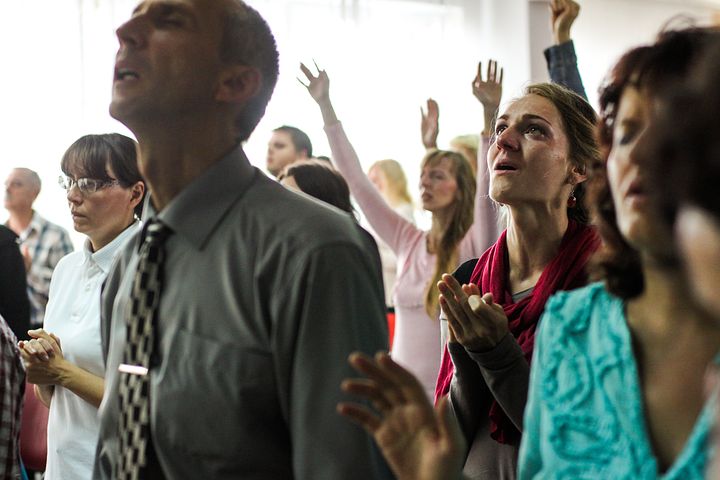
We can not pray away mental illness

There are some people that pray relentlessly for healing but not get healed. What do you think goes through those peoples minds when they do not get better after prayer? A lot of times people start to feel like failures, that they have sinned and do not deserve to get healed from their sickness.

Let us encourage loved ones that are suffering, especially with mental health conditions to seek medical help, then we can pray with them; if that is what you do and it is within their beliefs.

This morning I read that  Pastor Andrew Stoecklein of Inland Hills, Chino, California had taken his life after battling depression and anxiety. He was only 30 years old, leaving behind a wife and 3 sons.

Pastor Andrew Stoecklein of Inland Hills Church took his life after battling with anxiety and depression. (Inland Hills Church)

This is not a man who didn’t know how to pray. He prayed with and for other people as well as teach. He was a leader that was looked upon as a responsible person in society and religious communities but he suffered from depression.

He probably couldn’t share what was really troubling him as everyone looked to him for answers. It can get very lonely at the top.

His church announced, “In his time leading Inland Hills, Andrew reached so many with his warm wit, passionate heart for God, and teaching that always, always pointed others to Jesus. The loving husband, father, son, and friend that he was will continue to inspire us in leading others into a growing relationship with Jesus Christ,”

Mental illness should not be considered as demonic, it is a reality. It is a dysfunction rooted in the structure of the personality and most times caused by traumatic, physical or psychological experiences or genetic imbalances. In most cases medication can help a person lead an almost normal life.

The churches need to step up and teach their congregants about mental health and the help they can get professionally. If people can seek medical help for all other illnesses they should be encouraged to do so for their mental health, then the in-house counselling can be offered. People should not be afraid to reach out when they are suffering.

Let us continue to talk about mental health and get help when we need it, for ourselves and, for our loved ones. Help is always at hand. You can make an appointment to see your  GP or call NHS  on 111. The Samaritans are on call on 116 123 for 24-hour confidential, non-judgemental emotional support.

See some other organisations that can help with mental health issues.


“I always thought you were a little bit crazy”

When I opened up about my struggles with anxiety and depression, I expected to receive mixed reactions but I wasn’t prepared for the lack of support from the people that I considered as friends

People suddenly became experts on the subject

These are the things I was told;

  • Don’t take any medication it will only make you worse.
  • Black people don’t suffer from depression, you are adopting western values.
  • That is just a sign of weakness, we all go through stuff.
  • Depression is for people with money, poor people haven’t got time for such illnesses.
  • Snap out of it, pull yourself together.
  • There are people having a harder time than you are in Africa, think of the starving people and the orphans.
  • Quit feeling sorry for yourself, go and exercise and you will feel better.
  • You don’t look like someone who is depressed.

If I am honest, none of those suggestions helped me. It showed me just how little people, especially in Black African communities understand depression hence the stigma surrounding it and people suffering in silence.

I had a conversation with someone last week and they asked why I have been so quiet of late.

I said I had been busy and I needed to take some time for my recovery and they said, “Oh! What’s eating you?”

This was the very first person that I told when I was at my worst and they tried to talk me out of taking medication, so it really disappointed me to explain myself again – but, I told them.

They then started asking me what my plans for the future were, what makes me happy, what do I want out of my life, what is the most important thing in my life etc.

I felt like I was being interviewed for a job and no matter what I said I was met with another question.

I don’t know how I managed to stay calm during that conversation but I realised we have a long way to go in raising awareness about mental health issues and caring for people affected by mental health.

I then had someone else make contact via text and they asked me if I had sorted out my “crap”. Really… crap? The last time I spoke to them I had just been diagnosed but they never bothered to pop in or offer any comfort but when they want to hang out they expect me to have sorted out my crap.  How does my struggle with anxiety and depression equate to crap?

That text remains unanswered and I have decided that I will not be engaging in conversation with that person.

Now I understand why people do not disclose their mental illnesses. Too many stereotypes and stigma attached to it. What does depression really look like?

‘I always thought you were a bit crazy’ is another response that I get from some people that think that they are making light of the situation when in actual fact they aren’t.

“Do you think it’s wise to share and write on a public platform that you suffered from depression?”

The answer is yes..how else do we raise awareness of mental health if we don’t talk about it? People experience mental health in different ways, some personally and some are care givers for friends and family members.

support network

Depression knows no age, no race, no gender, it doesn’t care how little or how much you have. It affects everyone.

According to mind.org, approximately 1 in 4 people in UK will experience a mental health problem each year and 1 in 6 people report experiencing common mental health problems like anxiety and depression every week.

Let’s be a bit understanding and accommodating to those that we see struggling, you cannot force anyone to get treatment but the first step is to show understanding so that they may open up.

Staying silent isn’t being strong, speaking out is!


The Cure for Depression: Meditate, Pray, Journal, etc. — The Bipolar Writer Blog – A Mental Health Blog

Welcome to suggestion #12 on curing depression. I’ve got a word for you fellow depressors: Mindfulness. Have you heard that one lately? I don’t even social media that much since realizing it contributed an unhealthy amount to my negative self-image and my -sorry; rambling. I don’t get around much, and even I saw that word everywhere. […]

via The Cure for Depression: Meditate, Pray, Journal, etc. — The Bipolar Writer Blog – A Mental Health Blog

Discipline does not have to hurt

Spare the rod and spoil the child

Now this is one popular saying that most of my peers will be able to relate to.

paint

Growing up we were disciplined with the cane, a smack if you were close enough, a wooden spoon if you happened to be in the kitchen, a rubber slipper, a belt or even a punch if you misbehaved, broke rules or disrespected your parents.

That could have been anything from breaking glass, playing outside past your curfew, getting grades that were lower than your parents expected you to get, talking to boys, answering back, even interrupting grownups talking and getting low grades.

Teachers disciplined you at school and if your parents heard about it, you could get another beating from them. We had popular headmasters and teachers that were known for giving the best or ‘worst’ beatings in my opinion and some people still thank them today for the way they helped them shape their lives.

How does being beaten by someone else shape your life? In my opinion, it forces people into submission when they are with a person they regard as authority and teaches them that hitting other people is a way to deal with their anger.

Spare the rod and spoil the wife

As people get older and have their own relationships and children, they adopt the traits of their parents that you can discipline someone by laying a hand on them.

I remember my friends avoiding their older brothers if we went out because they were afraid of them. Why? Most likely because they had the parents blessing to discipline the younger siblings.

Women stick around in abusive relationships because they saw their mothers stay when their fathers beat them.

They stick around because they were beaten by their parents and often they were told it was done out of love. If they did not love them they would not bother correcting them.

pexels-photo-984954

When a woman feels oppressed in a marriage or and walks away from being abused, she is encouraged to talk to her elders who in turn urge her to return to her marital home and put up with it; as we all know, marriage is not easy, you adapt and get used to the person you are with and you have to stay for the sake of the children.

There are men who stay in relationships where they are emotionally and verbally abused, for the same reasons as women. It also could be that there are children involved and they do not want to be caught up in a custody battle. Sometimes they do not even realise that they are in an abusive relationship because they have been raised in a similar environment, so they just put up with it.

man couple people woman
Photo by Gratisography on Pexels.com


The need to show who is the boss

I befriended a young lady that lived in a flat above me with her partner a few years ago. They painted a happy picture, such a lovely couple, but almost every weekend there were cries from her flat when she was being beaten. She refused to talk about it when we met.

They eventually went separate ways but the partner was known to tell the ‘boys’ when they were at the pub that he did it to show her who was the boss. It didn’t matter if she had been good or bad in his eyes, he still hit her.

But where does one person get the authority to raise a hand to another? Could it be insecurity; that they need to control another person them to keep them in check? Could it be learned behaviour from the way they were disciplined themselves as children?

I was spanked as a kid and turned out just fine

There may be some people that say, ‘we were spanked as children but we turned out just fine’ and continue the same practice with their own children.

There is no justification for laying a hand on anyone else but sometimes one doesn’t have to touch you to hurt you. Emotional abuse is psychological, you may not see the scars but the damage is long term. Survivors of abuse can suffer from low esteem, depression, lack of self-confidence, anxiety, Post-Traumatic Stress Disorder (PTSD), drug and alcohol abuse.

Children look up to their parents and learn behaviour’s and social norms through them. Violence is not love but we have been conditioned by parents and care givers that it is okay to be punished by the one that provides for you.

hugs

Physical discipline does not help anyone, in fact it often leads to forced submission and acceptance of abuse in later relationships as well others developing abusive tendencies towards future partners.

We all need structure and discipline in our lives but it can be instilled without the need to be physical.


Disclaimer: This article is based on my readings, feelings and experience. Please feel free to comment and share.

Depression is real – We just don’t talk about it enough

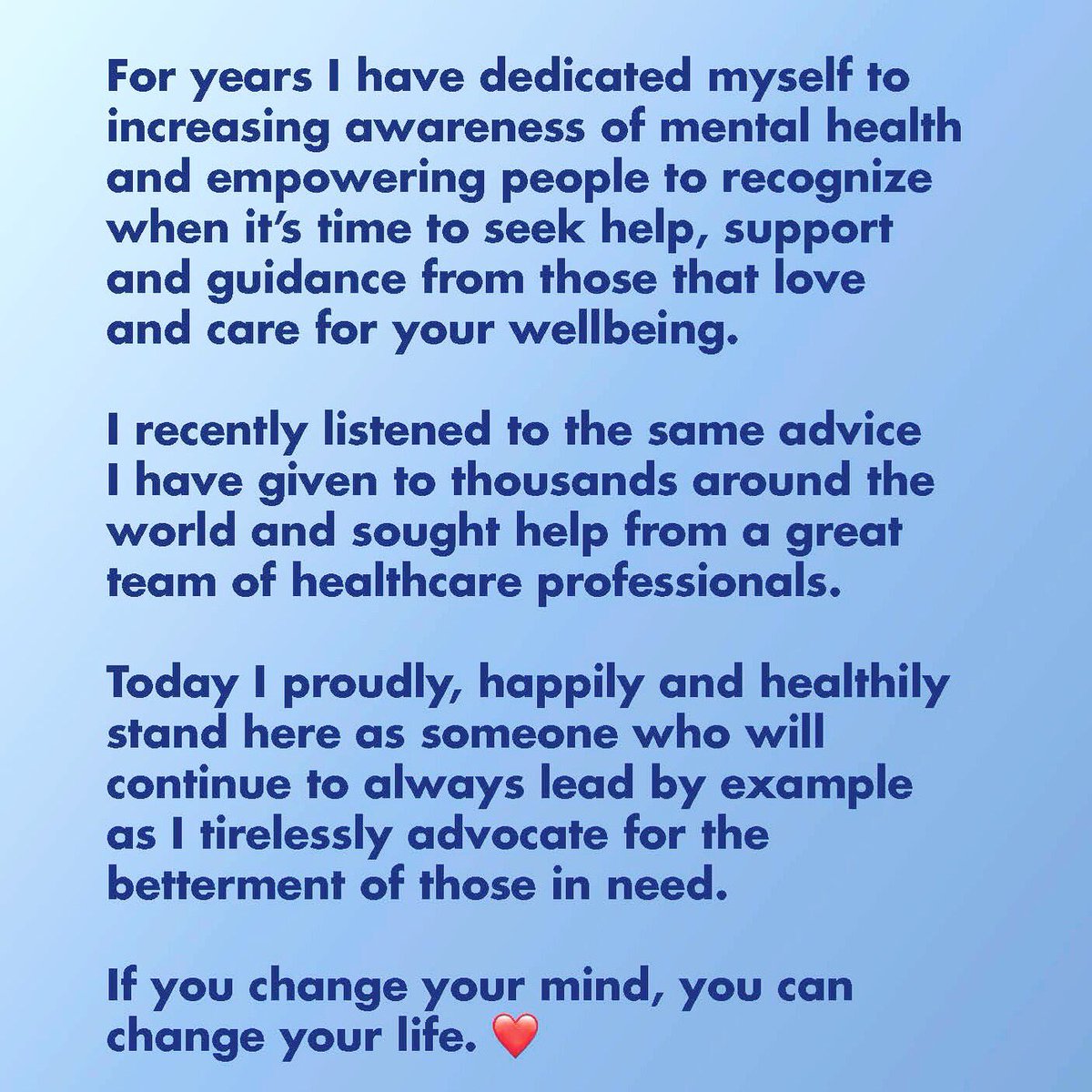
The Destiny’s Child singer Michelle Williams, who has previously spoken about her depression and feeling suicidal has checked into a mental health facility for treatment.

Singer Michelle Williams is seeking help for depression

It is not very easy for people of colour to talk about their feelings especially when struggling with depression. Their symptoms are usually attributed to weakness, laziness and attention seeking.

Most times, we only find out when someone has taken their own life that they have been suffering in silence. Michelle has shown immense strength in speaking out and and hopefully it will encourage other people to seek the help that they need.

The 37 year old singer confirmed on her social media pages;

There are people who will say Michelle Williams has had a great life, successful career and recently got engaged to her fiancee; what has she got to be depressed about?

But, depression is not about how much or how little you have. It is a neurological disease associated with the dysfunction of specific brain regions and not simply a consequence of a bad lifestyle and psychological weakness.

Depression brings feelings of sadness and a loss of interest in activities that one once enjoyed. It can lead to a variety of emotional and physical problems and can decrease a person’s ability to function at work and at home.

Depression symptoms can vary from mild to severe and can include:

  • Feeling sad or having a depressed mood
  • Loss of interest or pleasure in activities once enjoyed
  • Changes in appetite and weight loss or gain unrelated to dieting
  • Trouble sleeping or sleeping too much
  • Loss of energy or increased fatigue
  • Feeling worthless or guilty
  • Difficulty thinking, concentrating or making decisions
  • Thoughts of death or suicide

The stigma surrounding mental health can worsen someone’€s problems and impede their recovery. It affects their employability and social inclusion in mainstream society.

People are encouraged to talk about how they feel, but the greatest difficulty is finding who to talk to and who to trust.

Today social media is abuzz with all the support for Michelle Williams, she has done the right thing in taking time to focus on her recovery as she has been struggling for a while but; she didn’t stop encouraging others’ to take care of their mental health.

Let us continue to talk about it and get help when we need it, for ourselves and, for our loved ones. Help is always at hand. You can make an appointment to see your  GP or call NHS  on 111. The Samaritans are on call on 116 123 for 24-hour confidential, non-judgemental emotional support.

See some other organisations that can help with mental health issues.
 

Sources: Harvard Health; Mentalhealth.org; Mind.org.uk

Choose Life

When you feel like there is no choice

Choose life

In the midst of a storm and you feel all alone

Choose life

When you think you have reached breaking point

Choose life

When you feel like a failure

Choose life

When that break up hurts so bad, choose you

Choose life

Times can get hard, but

Choose life

When you get overwhelmed by life’s problems

Choose life

When you are plagued by unhealthy thoughts

Choose life

When you feel like you are out of solutions

Choose life

When you think that no one will listen, there is always support

Choose life

Staying silent isn’t being strong, speaking out is

Choose life