
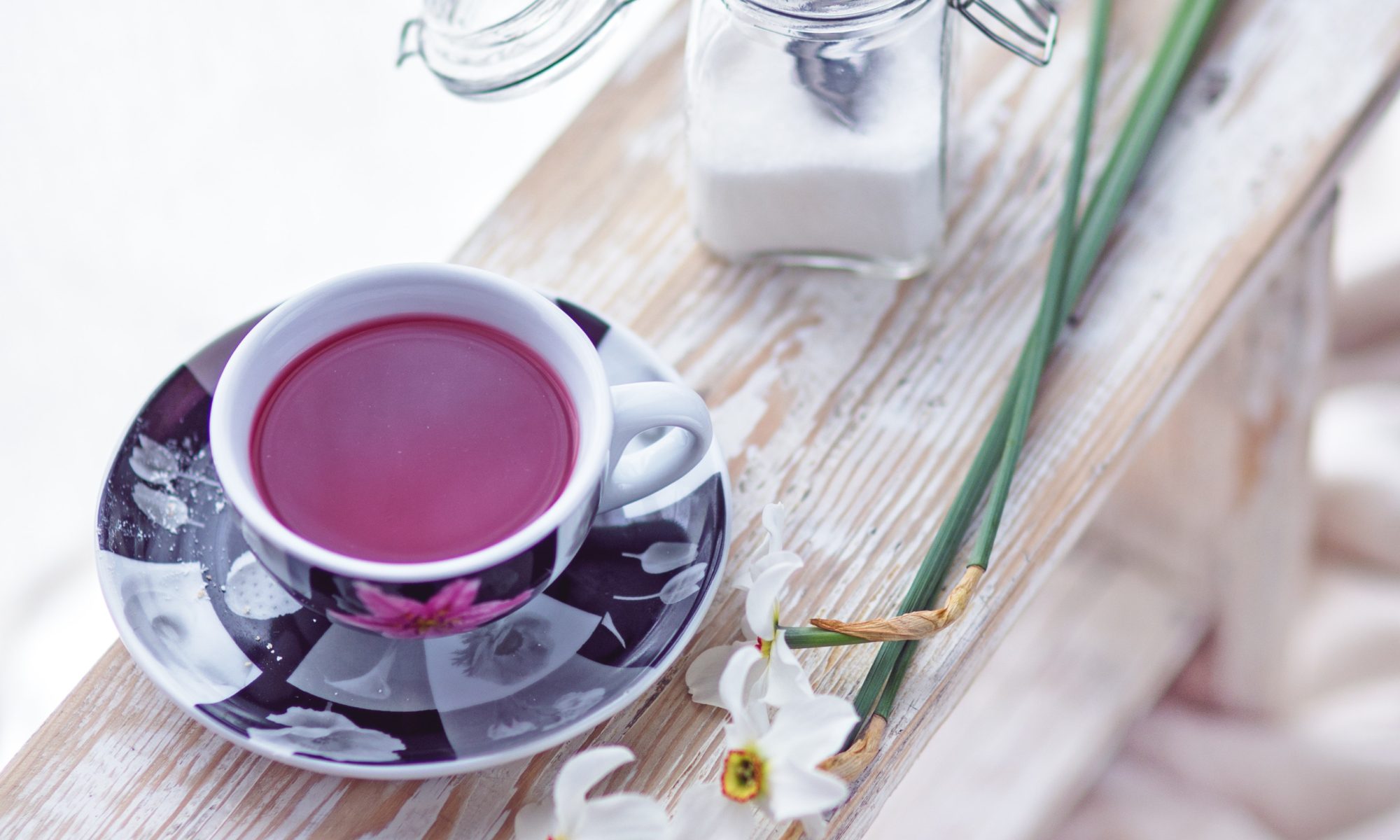
Are You Pouring From An Empty Cup?

A few weeks ago, I was invited by my cousin to watch her two children perform in a play and gladly accepted.

I was so looking forward to it and in the morning of the event, I woke up and went to the gym then came back home to have my breakfast.

Soon after breakfast, I felt nauseas and then got physically sick, so I decided to lie down and have a rest.

When I woke up, I  started to panic because I was counting down to the time of the play and although I knew that I wasn’t well enough to drive there, I didn’t want to disappoint my family and wanted to  at least try.

I hesitated to inform my cousin because a part of me really wanted to go and I felt guilty for cancelling at the last minute, but in the end, I called her and she was very understanding.

After I cancelled, I felt immense relief that I didn’t have to get dressed and drive and I started to ask myself why it had taken me so long to cancel and just rest.

I realised that while i was feeling poorly, I wanted to go to the play because I didn’t want to disappoint my family.

It felt easier for me to go in the state I was in, than to pick up the phone and give an excuse.

I started reflecting on how much I take on because I don’t like to say no and instead end up overwhelmed with tasks that leave me exhausted and unhappy at times.

I realised that the people who do care about my well-being will understand if I can’t do something, so I don’t need to get myself into a panic when it comes to telling them so.

You can not pour from an empty cup

So many of us overstretch ourselves to cater for others and most times get no appreciation for it.

It is necessary to get into the habit of checking how full your cup is, as you can’t fill anyone else’s cup if yours has run dry.

You can do this by practising self-care and listening to your body. If you are constantly feeling tired you are probably running on empty.

You have to learn to put yourself first; contrary to popular belief, it is not selfish to do so.

Show yourself some love before you carry everyone else’s burdens. You can’t look after other people when you neglect yourself.

Tidy up your environment, eat well, sleep well and ensure you get plenty of rest.

You can pace yourself when it comes to doing tasks and have realistic to do lists

Machines need regular maintenance and servicing to ensure that they work properly, the mind and body are the same.

Make sure your cup is full before you pour into someone else’s.

Mental Health – How to identity and avoid triggers

When most  people are recovering from mental illness their condition becomes more manageable. It is however important to understand that recovery is an ongoing process and that it is normal to have difficulties and setbacks along the way.

When you have achieved some stability and understand your illness and how to manage it, you have to identify what you need to do in order to stay well.

There are things in our lives that can accelerate mental health problems or impede on recovery.

Below are some examples:

Alcohol

Alcohol affects the nervous system and causes moods to fluctuate.

It is important to limit or avoid alcohol because mental health problems not only result from drinking too much alcohol, they can also cause people to drink too much and make their problems worse. Some people tend to self-medicate with alcohol so that they can sleep or numb their feelings, but then they may wake up feeling worse because alcohol is a depressant which causes moods to fluctuate.

Stress

Stress can be overwhelming, it can cause anxiety and aggravate existing conditions.

Stress can be overwhelming, it can cause anxiety and aggravate existing conditions. Sometimes we set unrealistic deadlines at work or overcommit to our families and not leave enough time for ourselves, then we end up getting stressed. Financial worries can cause stress and some stress can be a cause of mental conditions, but some can make it worse. It is important to identify potential stressors in your life in order to help with your recovery.

Over the counter medication

Taking unprescribed over the counter medications can be as detrimental as not getting treatment.

Most people are not comfortable talking to doctors or taking prescribed medications, so they end up buying over the counter medication to help with their symptoms but that can be as dangerous as not treating it at all. When you see a medical professional, they always ask if you are taking other medication so that they do not prescribe to you something that will counteract with the other. So, when you take other medication that is not prescribed to you, you could make your symptoms worse or take something completely harmful to your health.

Negative thoughts

Negative thoughts and negative company can make you feel worthless

It is common for people with mental health problems to experience negative thoughts and feelings which include but are not limited to sadness, guilt, helplessness and worthlessness and find them hard to shake off which can have detrimental effects on how they function in everyday life.

Negative thoughts can be draining and have you in a constant state of fight or flight which can leave you extremely fatigued.

Isolation

Choosing to be alone and have some downtime is fine but withdrawing and isolation can be detrimental to one’s health

The stigma surrounding mental health can cause somebody with mental health problems to isolate themselves. When someone feels unwanted or unloved, they stay away from people and at times they are just unmotivated to be in social situations.

When one has encountered negative or judgemental people it is natural to prefer to be alone. Choosing to be alone and have some downtime is fine but withdrawal and isolation can be detrimental to one’s health as it can contribute to cardiovascular disease and insomnia which affects how the immune system functions.

Not taking care of yourself

Rest and recharge, the mind needs just as much rest as the body.

Some illnesses may require you to just take medication but mental illness like depression needs you to look after your  physical well-being as well.

Self-care is paramount in recovery, one needs to learn and identify what is good and works for them.

Personal care and a clean environment goes a long way in assisting in recovery.

You need to eat well, sleep well, exercise and hydrate, as it has a direct impact on your physical and emotional well being.

Indoda Ayikhali – Men Dont Cry

‘Indoda Ayikhali’ (Men don’t cry)

Growing up in a Black African home that is all I ever heard and grew up believing, that showing emotions is for the weak.

Our fathers, brothers and uncles were raised to be protectors, to act tough and hide their weaknesses. They were expected to be fixers when the family had problems and be fearless in dealing with them.

Men are expected hide their weaknesses.

Men who show their emotions are seen as weak, but men suffer mentally and emotionally as much as women, they just don’t show it as it is not socially acceptable to do so.

Most men with mental health illnesses deal with them by disconnecting themselves from people because they feel that is the manly thing to do.

Some bottle it up and ‘get on with it’ or even joke about it but not accept that there is a problem.

Sometimes they deal with it differently by being defensive, lashing out, acting irritably and refusing to cooperate with others.

Men are raised to behave a certain way, even women do not want to be involved with a man that they see as weak, so men bottle their feelings and hide their shortcomings.

This gender stereotype has led to a lot of young men taking their lives because they feel like they have failed their loved ones.

There is too much pressure to ‘man up’ that people do not seek the help they need.

Two thirds of the world’s suicides are committed by men because they are too ashamed to talk and get the help that they need.

Culturally, there are also some limitations when it comes to dealing with depression and other mental illnesses.

Sometimes illnesses are blamed on witchcraft and go untreated because they do not believe that it is medical.

What is depression they say? Stop being lazy!

Why do you want to adopt western values?

That is a rich man’s illness.

That is a white man’s illness.

Seriously, what has race got to do with it?

Do not stop taking your medication without supervision.

There is also a big misconception that medication makes people worse so those that are diagnosed avoid taking their medication or stop without supervision, only to make their symptoms worse.

Some men refuse to confront their mental conditions as they are convinced that they will be judged negatively by their loved ones.

It is hard for a man to admit he is suffering from a cold so how can he tell anyone that he is struggling with depression. They are told to ‘man up’ and deal with it.

There are some symptoms to look for when someone is struggling with depression

  • Changes in mood
  • Irresponsible behaviour –picking fights, gambling, excessive drinking
  • Drug abuse
  • Avoiding being with other people
  • Loss of libido
  • Constant complaints of fatigue
  • Loss of appetite or overeating unhealthy food
  • Irritability
  • Sleeping too much or too little

Some of the triggers to depression can be due to:

  • Financial problems
  • Death of a loved one
  • Break ups
  • Relationship problems
  • Stress at work
  • Health problems
  • Loss of work or earnings

When men struggle with depression, they find it hard to share it with anyone for fear of being judged. It takes a lot of strength to own up to shortcomings and vulnerabilities and take the proper steps toward doing something about it.

There is help and support for mental health problems. If you or your loved ones are experiencing any of the symptoms for prolonged periods of time it is advisable to see a medical professional.

Let us encourage boys and men to talk about their mental health and get the help that they need.

Staying silent isn’t being strong, speaking out is.


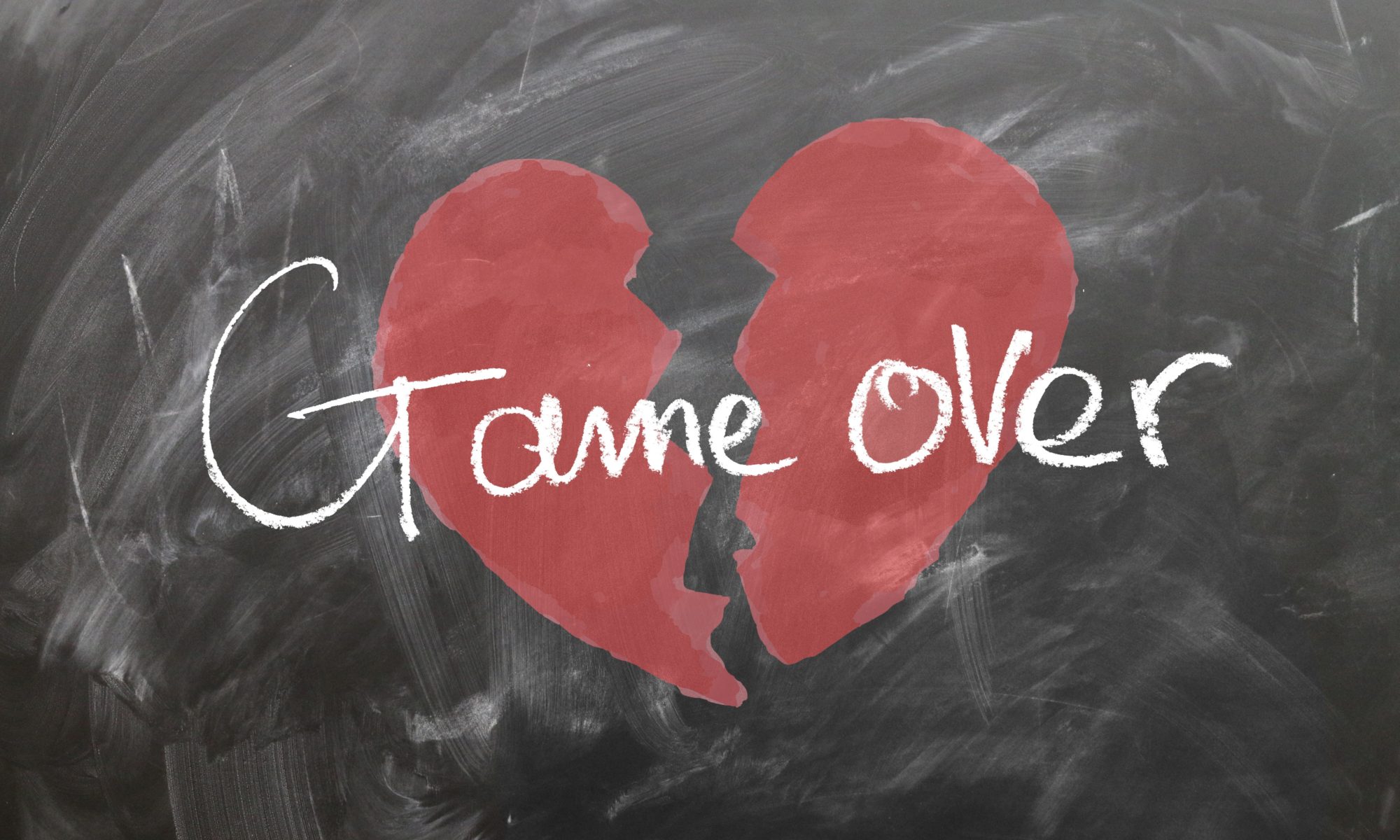
Breakups – When it’s no longer just sadness

Being in love is amazing, love is one of the most powerful emotions a person can have. There is a lot of fantasy, excitement and chemistry when two people are in love. The feeling of being in love can be considered as a high and some people even say they are drunk in love.

When relationships are new, they are thrilling, intoxicating and exciting – you want to talk to the person that you are in love with all the time, see them as often as you can, everything they do is cute, and they seem to say the right things that make you smile all the time.

But some relationships don’t last or have the fairy tale ending that we may have been dreaming of and that is when the problems begin.

If you have been in a relationship that ended in a breakup then you know just how that feels; It Sucks!

If you are lucky enough to not have experienced it, you may know someone that had a break up and their whole life fell apart.

When you break up with someone you can’t eat or sleep or even breathe, it hurts. You feel like your whole world is falling apart and a whole lot of other emotions are triggered. Some people get over breakups quite quickly and while sadness and grief are common after a breakup, it is important to recognise if there are any symptoms of depression.

It is normal to grieve the loss of a relationship so that you may begin to heal, but there are healthy and also unhealthy symptoms of a breakup; knowing how to identify these can help you determine if you may be suffering from depression.

As with any loss, it is usual to have

  • Feelings of frustration and anger
  • Sadness
  • Crying
  • Shock
  • Denial
  • Loneliness
  • Fear
  • Insomnia
  • Loss of interest in activities

The recovery timeline varies from person to person, but your emotional state should improve bit by bit as you adjust to life without your partner.

There are ways of helping yourself feel better during this time for instance;

  • taking time to exercise and catch up with friends and family
  • understanding your own self-worth and not dwelling on the past
  • not jumping into another romantic relationship straight away
  • writing or talking about it
  • appreciating your own self-worth
  • not blaming yourself

If your feelings do not improve at all after a few weeks or they get worse, you should talk to a doctor.

If the feelings get worse, please see your doctor.

Some of the symptoms to look out for are;

  • Feeling worthless
  • Developing insomnia or sleeping too much
  • Loss of appetite
  • Compulsive eating for comfort
  • Loss of interest in activities once enjoyed
  • Feeling hopeless and blaming oneself for all the bad things
  • Having suicidal thoughts
  • Feeling empty everyday
  • Difficulty concentrating on general tasks and decision making
  • Having no energy for most of the day
  • Low self esteem
  • Feeling anxious

It is common for people to get depressed after a breakup, however some people are more at risk if they have had a previous history with depression or another mood disorder.

If depressed feelings persist they may worsen and affect a person’s quality of life, it is advisable to see a doctor when this happens. Any thoughts or talk of suicide should be taken seriously and in times of crisis one may seek help from the hospital’s emergency services.


We can not simply pray away mental illness

Prayer is good, mediation helps but we can not pray away mental illnesses. While it may be comforting to ‘take our troubles to the Lord in prayer’, it is also important that we seek medical help for health conditions.

We can not pray away mental illness

There are some people that pray relentlessly for healing but not get healed. What do you think goes through those peoples minds when they do not get better after prayer? A lot of times people start to feel like failures, that they have sinned and do not deserve to get healed from their sickness.

Let us encourage loved ones that are suffering, especially with mental health conditions to seek medical help, then we can pray with them; if that is what you do and it is within their beliefs.

This morning I read that  Pastor Andrew Stoecklein of Inland Hills, Chino, California had taken his life after battling depression and anxiety. He was only 30 years old, leaving behind a wife and 3 sons.

Pastor Andrew Stoecklein of Inland Hills Church took his life after battling with anxiety and depression. (Inland Hills Church)

This is not a man who didn’t know how to pray. He prayed with and for other people as well as teach. He was a leader that was looked upon as a responsible person in society and religious communities but he suffered from depression.

He probably couldn’t share what was really troubling him as everyone looked to him for answers. It can get very lonely at the top.

His church announced, “In his time leading Inland Hills, Andrew reached so many with his warm wit, passionate heart for God, and teaching that always, always pointed others to Jesus. The loving husband, father, son, and friend that he was will continue to inspire us in leading others into a growing relationship with Jesus Christ,”

Mental illness should not be considered as demonic, it is a reality. It is a dysfunction rooted in the structure of the personality and most times caused by traumatic, physical or psychological experiences or genetic imbalances. In most cases medication can help a person lead an almost normal life.

The churches need to step up and teach their congregants about mental health and the help they can get professionally. If people can seek medical help for all other illnesses they should be encouraged to do so for their mental health, then the in-house counselling can be offered. People should not be afraid to reach out when they are suffering.

Let us continue to talk about mental health and get help when we need it, for ourselves and, for our loved ones. Help is always at hand. You can make an appointment to see your  GP or call NHS  on 111. The Samaritans are on call on 116 123 for 24-hour confidential, non-judgemental emotional support.

See some other organisations that can help with mental health issues.


Discipline does not have to hurt

Spare the rod and spoil the child

Now this is one popular saying that most of my peers will be able to relate to.

paint

Growing up we were disciplined with the cane, a smack if you were close enough, a wooden spoon if you happened to be in the kitchen, a rubber slipper, a belt or even a punch if you misbehaved, broke rules or disrespected your parents.

That could have been anything from breaking glass, playing outside past your curfew, getting grades that were lower than your parents expected you to get, talking to boys, answering back, even interrupting grownups talking and getting low grades.

Teachers disciplined you at school and if your parents heard about it, you could get another beating from them. We had popular headmasters and teachers that were known for giving the best or ‘worst’ beatings in my opinion and some people still thank them today for the way they helped them shape their lives.

How does being beaten by someone else shape your life? In my opinion, it forces people into submission when they are with a person they regard as authority and teaches them that hitting other people is a way to deal with their anger.

Spare the rod and spoil the wife

As people get older and have their own relationships and children, they adopt the traits of their parents that you can discipline someone by laying a hand on them.

I remember my friends avoiding their older brothers if we went out because they were afraid of them. Why? Most likely because they had the parents blessing to discipline the younger siblings.

Women stick around in abusive relationships because they saw their mothers stay when their fathers beat them.

They stick around because they were beaten by their parents and often they were told it was done out of love. If they did not love them they would not bother correcting them.

pexels-photo-984954

When a woman feels oppressed in a marriage or and walks away from being abused, she is encouraged to talk to her elders who in turn urge her to return to her marital home and put up with it; as we all know, marriage is not easy, you adapt and get used to the person you are with and you have to stay for the sake of the children.

There are men who stay in relationships where they are emotionally and verbally abused, for the same reasons as women. It also could be that there are children involved and they do not want to be caught up in a custody battle. Sometimes they do not even realise that they are in an abusive relationship because they have been raised in a similar environment, so they just put up with it.

man couple people woman
Photo by Gratisography on Pexels.com


The need to show who is the boss

I befriended a young lady that lived in a flat above me with her partner a few years ago. They painted a happy picture, such a lovely couple, but almost every weekend there were cries from her flat when she was being beaten. She refused to talk about it when we met.

They eventually went separate ways but the partner was known to tell the ‘boys’ when they were at the pub that he did it to show her who was the boss. It didn’t matter if she had been good or bad in his eyes, he still hit her.

But where does one person get the authority to raise a hand to another? Could it be insecurity; that they need to control another person them to keep them in check? Could it be learned behaviour from the way they were disciplined themselves as children?

I was spanked as a kid and turned out just fine

There may be some people that say, ‘we were spanked as children but we turned out just fine’ and continue the same practice with their own children.

There is no justification for laying a hand on anyone else but sometimes one doesn’t have to touch you to hurt you. Emotional abuse is psychological, you may not see the scars but the damage is long term. Survivors of abuse can suffer from low esteem, depression, lack of self-confidence, anxiety, Post-Traumatic Stress Disorder (PTSD), drug and alcohol abuse.

Children look up to their parents and learn behaviour’s and social norms through them. Violence is not love but we have been conditioned by parents and care givers that it is okay to be punished by the one that provides for you.

hugs

Physical discipline does not help anyone, in fact it often leads to forced submission and acceptance of abuse in later relationships as well others developing abusive tendencies towards future partners.

We all need structure and discipline in our lives but it can be instilled without the need to be physical.


Disclaimer: This article is based on my readings, feelings and experience. Please feel free to comment and share.

Depression is real – We just don’t talk about it enough

The Destiny’s Child singer Michelle Williams, who has previously spoken about her depression and feeling suicidal has checked into a mental health facility for treatment.

Singer Michelle Williams is seeking help for depression

It is not very easy for people of colour to talk about their feelings especially when struggling with depression. Their symptoms are usually attributed to weakness, laziness and attention seeking.

Most times, we only find out when someone has taken their own life that they have been suffering in silence. Michelle has shown immense strength in speaking out and and hopefully it will encourage other people to seek the help that they need.

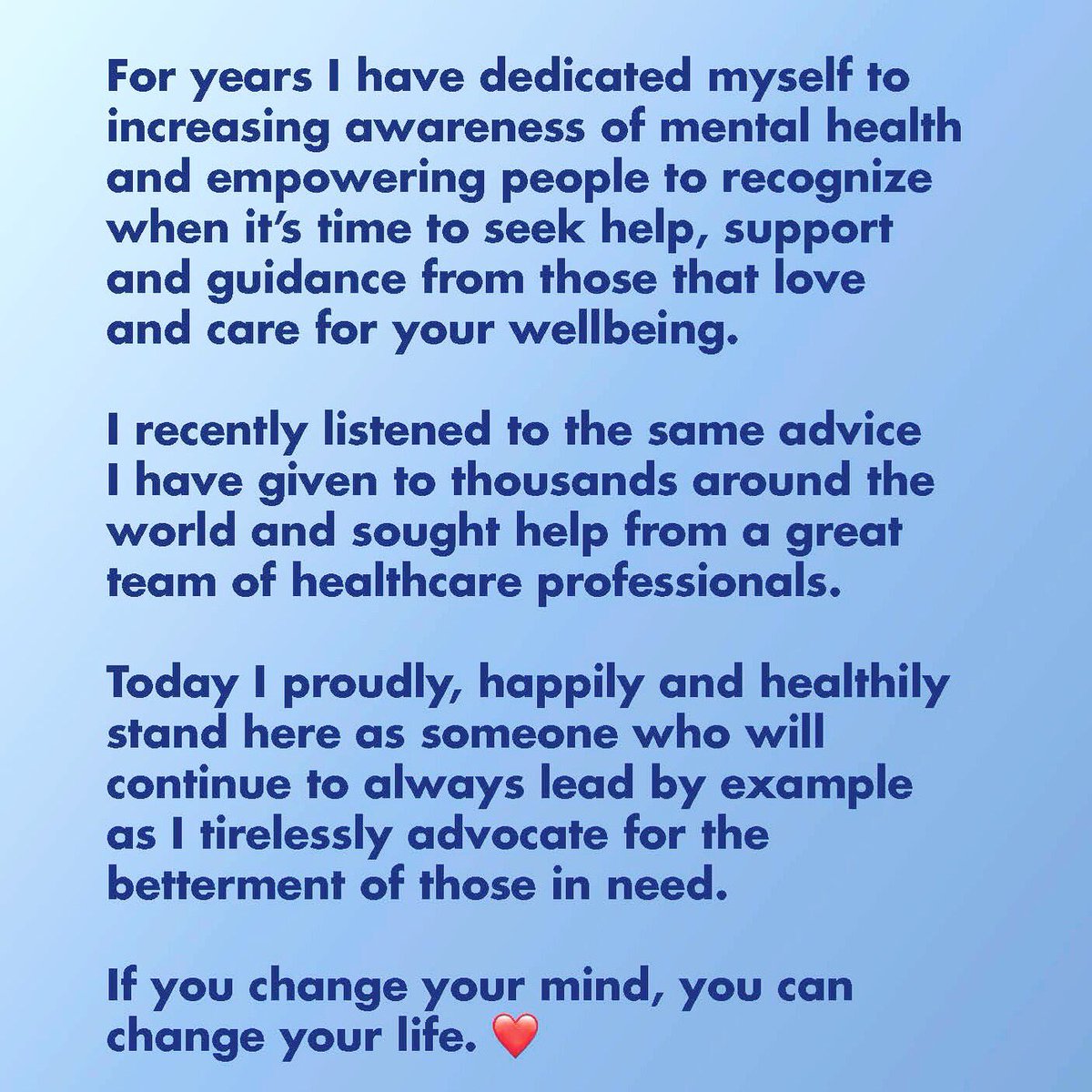
The 37 year old singer confirmed on her social media pages;

There are people who will say Michelle Williams has had a great life, successful career and recently got engaged to her fiancee; what has she got to be depressed about?

But, depression is not about how much or how little you have. It is a neurological disease associated with the dysfunction of specific brain regions and not simply a consequence of a bad lifestyle and psychological weakness.

Depression brings feelings of sadness and a loss of interest in activities that one once enjoyed. It can lead to a variety of emotional and physical problems and can decrease a person’s ability to function at work and at home.

Depression symptoms can vary from mild to severe and can include:

  • Feeling sad or having a depressed mood
  • Loss of interest or pleasure in activities once enjoyed
  • Changes in appetite and weight loss or gain unrelated to dieting
  • Trouble sleeping or sleeping too much
  • Loss of energy or increased fatigue
  • Feeling worthless or guilty
  • Difficulty thinking, concentrating or making decisions
  • Thoughts of death or suicide

The stigma surrounding mental health can worsen someone’€s problems and impede their recovery. It affects their employability and social inclusion in mainstream society.

People are encouraged to talk about how they feel, but the greatest difficulty is finding who to talk to and who to trust.

Today social media is abuzz with all the support for Michelle Williams, she has done the right thing in taking time to focus on her recovery as she has been struggling for a while but; she didn’t stop encouraging others’ to take care of their mental health.

Let us continue to talk about it and get help when we need it, for ourselves and, for our loved ones. Help is always at hand. You can make an appointment to see your  GP or call NHS  on 111. The Samaritans are on call on 116 123 for 24-hour confidential, non-judgemental emotional support.

See some other organisations that can help with mental health issues.


Sources: Harvard Health; Mentalhealth.org; Mind.org.uk

Choose Life

When you feel like there is no choice

Choose life

In the midst of a storm and you feel all alone

Choose life

When you think you have reached breaking point

Choose life

When you feel like a failure

Choose life

When that break up hurts so bad, choose you

Choose life

Times can get hard, but

Choose life

When you get overwhelmed by life’s problems

Choose life

When you are plagued by unhealthy thoughts

Choose life

When you feel like you are out of solutions

Choose life

When you think that no one will listen, there is always support

Choose life

Staying silent isn’t being strong, speaking out is

Choose life