
The Anxiety Isn’t About the Task. It’s About Being Seen

There’s a misunderstanding we often make about anxiety when we try to start again.

We assume the fear is about the task itself, be it writing, exercise, routine, or showing up.

But often, that isn’t where the anxiety lives.

The anxiety sits in visibility.

Stepping back in

When you return to something after a pause, you don’t just step back into the activity. You step back into a space that holds memory, comparison, and expectation.

Gyms remember bodies.
Platforms remember voices.
Communities remember who you were when you last showed up.

Even group chats can feel heavy once you’ve gone quiet.

These are not neutral spaces. They are evaluative spaces. Places where returning to routines can feel like performance, even when no one is actively watching.

This is why anxiety before starting again can feel stronger than expected.

Stopping often happens privately.
Restarting happens in view.

You’re not just asking yourself to act, but are asking yourself to be seen again.

Seen by others.
Seen by yourself.

There’s an important difference between fear of judgment and fear of expectation.

Judgement is the worry that someone might criticise you.
Expectation is the worry that someone might rely on you.

Expectation carries weight.

If you show up once, will you be expected to keep showing up?
If you post again, will people assume consistency?
If you return to exercise, will momentum be required?

Sometimes it isn’t rejection we’re afraid of.
It’s responsibility.

Hand resting on a curtain near a window, suggesting quiet awareness and hesitation
A quiet moment before stepping back into view.

This is where re-entry anxiety becomes a nervous system response.

When your body has learned that visibility costs energy, it will hesitate before stepping back into public or shared spaces. That hesitation can look like procrastination, avoidance, or sudden exhaustion.

It isn’t laziness.
It’s protection.

Your body is asking a quiet question.
Do I have enough capacity to be seen again?

This is why the thought “people might notice” can feel so activating.

Not because being noticed is dangerous, but because being noticed can reopen expectations you did not consciously agree to.

To be consistent.
To be available.
To be okay.

Sometimes, you simply do not have that to give yet.

I didn’t stop because I didn’t care.
I stopped because being seen required more than I had.

That sentence holds more truth for many people navigating re-entry anxiety than we often admit.

If this resonates, it may help to loosen the link between visibility and obligation.

You are allowed to show up briefly.
You are allowed to step back again.
You are allowed to return without resuming your old role.

Returning does not have to mean continuity.

It can mean entering quietly.
Standing near the door.
Letting your nervous system register safety before asking for more.

If anxiety rises when you think about restarting, try asking a different question.

Not “Why am I scared of this?”
But “Who might see me if I do this?”

The answer often reveals where the anxiety is really coming from.

This piece follows an earlier reflection on re-entry anxiety and why restarting can feel harder than stopping. You do not need to read or apply everything at once.

Presence does not need permanence to be real.



Why Restarting Feels Harder Than Stopping

Quiet stone hallway opening into a sunlit courtyard, suggesting pause and renewal

There’s a strange thing no one really prepares you for.

Stopping something like exercise, writing, eating intentionally, or showing up often happens quietly. Life happens. Illness. Grief. Burnout. Survival mode.

But restarting feels loud.

It can feel daunting to walk back into big spaces.
The gym.
The blank page.
The publish button.

Suddenly, anxiety kicks in. Tight chest. Hesitation. That familiar urge to delay, not because you can’t do the thing, but because doing it means being seen again.

For a long time, I thought something was wrong with me.
It wasn’t.

What is re-entry anxiety?

I don’t know if there’s a perfect clinical term for it. I call it re-entry anxiety.

It is what happens when your nervous system has adapted to not doing something, and then you ask it to step back into a space that carries memory, identity, or expectation.

Re-entry anxiety is not about motivation or willpower.
It’s about exposure.

Restarting means facing who you used to be, noticing the gap between then and now, and risking judgment from others, but mostly from yourself.

So your brain does what it’s designed to do.
It protects you by hesitating, overthinking, and convincing you to wait until you feel ready.

Why big spaces feel especially hard

Gyms, platforms, creative spaces, and even social circles can feel heavy when you return to them.

They carry comparison, memory, visibility, and expectation.

When you re-enter, your nervous system reacts as if you’re being assessed. People might notice. People might expect something. You might disappoint yourself.

That’s why the resistance feels physical.

It’s not failure.
It’s your body remembering.

It shows up in more places than we realise

Re-entry anxiety doesn’t only affect productivity.

  • It affects your ability to reply to messages you left too long ago.
  • Publishing after silence.
  • Returning to church, community, or routine.
  • Restarting care for your body after illness.
  • Even letting yourself feel joy again.

Sometimes we don’t avoid because we don’t care.

We avoid because we care deeply.

The mistake we make when trying to restart

We often try to restart at the same level we left off.

The same intensity.
The same expectations.
The same version of ourselves.

That’s overwhelming.

Your nervous system doesn’t need a full comeback.
It needs safe contact.

A gentler way back

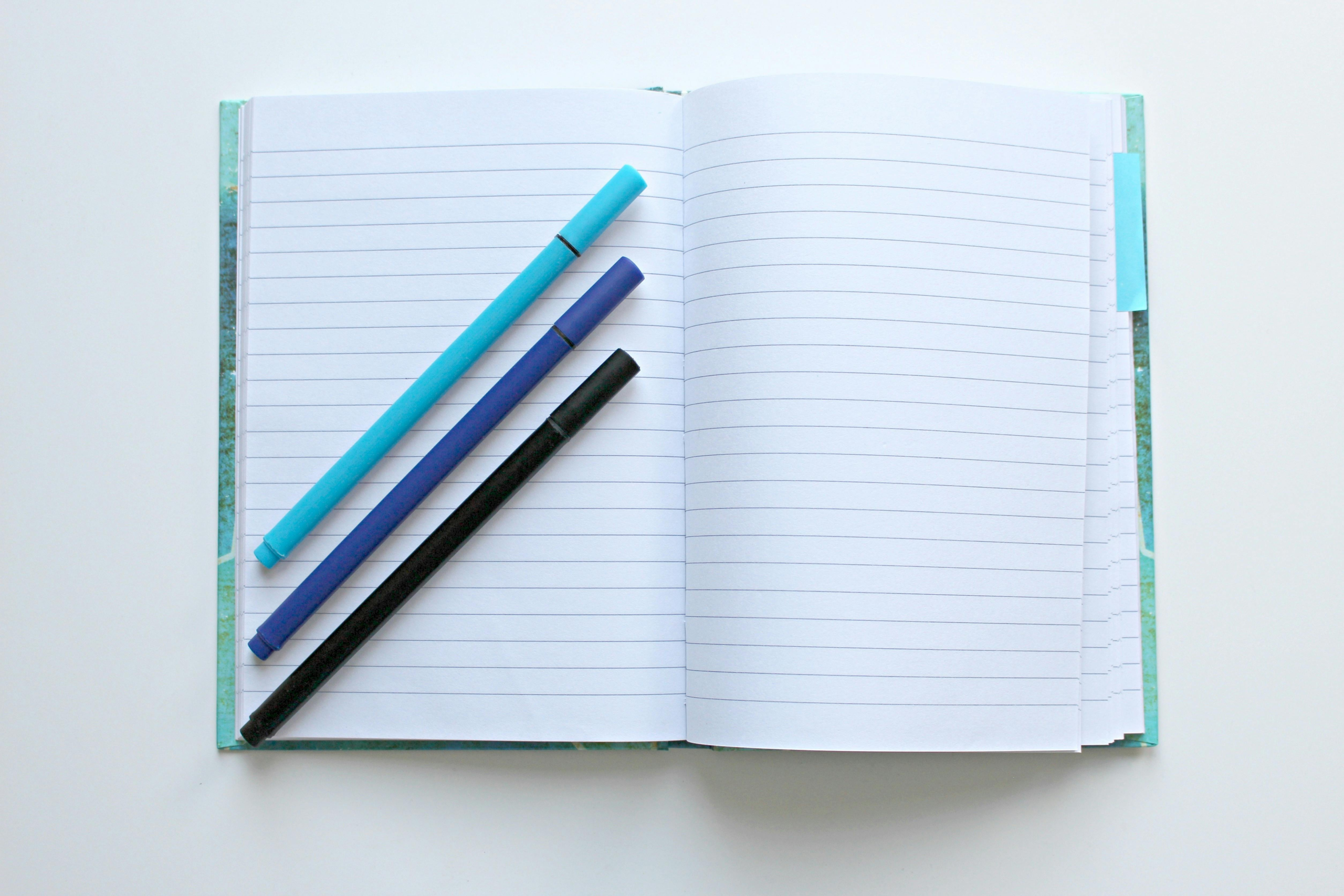
Open lined notebook with three pens resting across the pages
A blank page can feel heavier than a full stop.

Instead of asking, “How do I start again properly?”
Try asking, “How can I touch this without committing?”

One sentence instead of a full post.
One walk instead of a full workout.
One nourishing choice instead of a perfect plan.

This isn’t quitting.
This is re-entry.

And re-entry is meant to be slow.

A final reminder

If restarting feels hard, it doesn’t mean you’re weak.
It means something mattered.
It means you’re human.

You don’t need to become who you were before.
You’re allowed to return as who you are now.

This reflection connects with other pieces I’ve written on slowing down, burnout, and listening to the body.

Anxiety often shows up before action, not because something is wrong, but because the nervous system is trying to protect us (Mind has a clear explanation of how anxiety works).
https://www.psychologytoday.com/gb/basics/anxiety